
There’s a long Western tradition of identifying beings as monsters. In many cases, it’s clear why: basilisks or dragons are monstrous, as are more humanoid forms like zombies, vampires and werewolves. Monsters are categorically different from garden-variety creatures and typically, but not necessarily, fictional and alarming. But telling stories about monsters isn’t simply a way of describing beings that are nothing like humans. It’s also how societies define and police who they think counts as fully human, through acts of what I call monster-making or monstrification.
Monster-making doesn’t always require the label ‘monster’, nor does it require defining a person as part-animal or supernatural. I see monstrification as any attempt to convey that an individual or group has broken the category of a ‘normal’ human being, via their bodies, minds or culture.
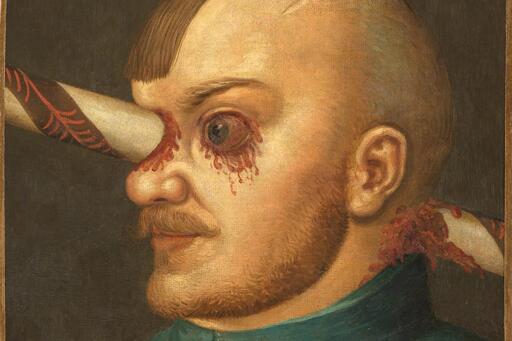
History shows that there has long been a blurry, moving line between the categories of human being and monster. This line threads its way through the people whose portraits appear in an uncanny corner of the Schloss Ambras curiosity cabinet, and continues into the present day, often justifying discrimination and other harms against individuals and groups who differ from a majority. It is also an ever-changing boundary, as social, political and technological developments alter its shape and position, and open up new forms of monstrification.
Some of the most heated debates of our age – from trans rights to immigration reform to the ethics of AI – are underpinned by ancient fears of monstrosity, and cynical attempts to exploit them. And, in turn, today’s monster-making will shape the future, by redrawing the experience (or absence) of human rights, the horizons of possibility to live freely in safety and dignity, and the laws and systems under which people live. So, where does the human end and the monster begin? The boundaries are more porous than we might like to think.