- cross-posted to:
- android@lemdro.id
- cross-posted to:
- android@lemdro.id
You must log in or # to comment.
requires a victim to first install a malicious app
Let me stop you right there… and leave.
Normally I would agree with this perspective, but in this case the “malicious app” is just a demo. It requires no permissions to do the malicious behavior, which means that the relevant code could be included in any app and wouldn’t trigger a user approval, a permissions request or a security alert. This could be hiding in anything that you install.
Man in the middle an app download or find some kind of exploit to inject the code from a website, ta da.
I mean, obviously there’s more to it than this but.
That’s how these things work. They’re chained.
Hmm, yes that can happen, but can it happen if you’re downloading directly from the Play store?
There are reports all the time of play store apps containing malware.
I’m sure there are apps that have malware built in yes, but I mean the MITM approach during an app download that you were describing.
Oh.
Not sure. I was speaking in hypotheticals. I’m sure it’s possible though.
first you download something and it has nothing malicious, then you update it later and then it has something.
So they’re using the same programs that the three letter agencies of the world have been using to crack phones since before touchscreens existed?
This article doesn’t really address that. I don’t think there’s any indication that this particular vulnerability is related to nation-state hacking.
So it could be hiding in, what would you call them…….malicious apps?
The relevant code isn’t going to be in a non malicious app.
Listen Mr Zuckerberg, we can improve our ad revenue immensely if we can do this one little trick to Facebook’s code…
Um, ok, and how would you know the difference?
Because if it’s doing this it’s a malicious app….
Google also said they’ve found zero apps doing this.
Because if it’s doing this it’s a malicious app….
OK, how would you know?
Google also said they’ve found zero apps doing this.
So what? There are millions of apps on the Play store, they aren’t all being reviewed with this level of scrutiny. This means basically nothing.
deleted by creator
"Our end-to-end attacks simply measure the rendering time per frame of the graphical operations… to determine whether the pixel was white or non-white.”
This is a prime example of something that is so simple, yet elegant, and brilliant. Fantastically cool and scary.
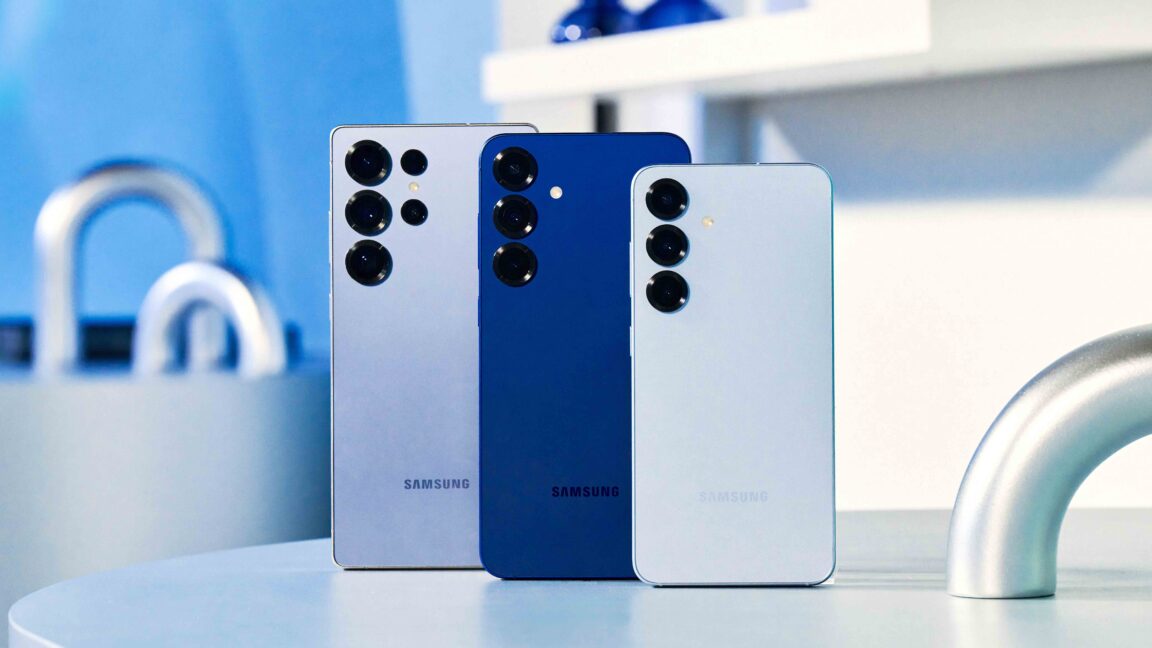
The new attack, named Pixnapping by the team of academic researchers who devised it, requires a victim to first install a malicious app on an Android phone or tablet. The app, which requires no system permissions, can then effectively read data that any other installed app displays on the screen. Pixnapping has been demonstrated on Google Pixel phones and the Samsung Galaxy S25 phone and likely could be modified to work on other models with additional work. Google released mitigations last month, but the researchers said a modified version of the attack works even when the update is installed.
Never ending side channel attacks. Stallman was right, only 100% FOSS gives you control over your device.
And given that a lot of this stuff is relying on timing the only reliable cure is to make everything slow. But no one wants that. Or maybe getting rid of precise timers in userspace. It would be funny if stopwatch precision was bound to screen refresh rate.
This is a very big hypothetical.
They’d need to already have access to your account credentials (email, password or at least something that is regarded the same) then have you install this malicious app, then you’d need this app to be open at the same time as your 2FA app
It’s possible, yes, it’s an awesome find, yes, and this should be patches, yes yes yes, a thousand yes
Having said that, I’m not too worried about the potential impact of this, it’ll be fine.
Duh, they’re hackers /s
Dont install random shit and if possible have a phone just for 2fa
Gotta wonder why random apps don’t need special permissions to run and operate other apps. You can cause plenty of trouble maliciously navigating a browser even if you can’t see the screen.
deleted by creator
deleted by creator
It has to be tailored to the specific hardware so I don’t think it’s a major concern for most users. It doesn’t seem like something that can be fully mitigated either, so it’s probably not worth worrying about. Side channel attacks are really cool but also kind of useless in most practical scenarios.