- 90 Posts
- 233 Comments


“Free software” doesn’t mean you don’t pay for it, but that it respects and preserves the user’s freedom. The opposite is not “cost software” but unfree software.
Most of the other points in this list are also questionable or inaccurate. In fact, I think the only true one is the first one: open source vs closed source.
It’s the best of the Chromium-based browsers, but closed-source is a shame. I wish Firefox would copy some of Vivaldi’s UI ideas.

 21·4 days ago
I don’t recommend PopOS! because I think the Gnome UI is confusing to people who have only used Windows before.
Used Pixel 6, 6 Pro, 7 and 7 Pro can be found for reasonable prices these days. One of those in good condition would be a better buy because you’ll still get security patches for a while. Last time I looked, the third party OSs for Pixel phones only supported them for as long as Google did.

 7·8 days ago
There’s more information about the components of this system here:
There really isn’t much to this Holesail project - it’s a little convenience wrapper around Hyper DHT and that’s a part of this Pear project it seems. That site has a list of the various components and links to each one’s GitHub.
Pear looks like an interesting project but I haven’t looked through the details of how it works.
Great that they’re using the GPLv3 license too.
It’ll make the sea nice and thick.

KDE Plasma is so much more snappy and functional than Windows. Linux has lots of good options.
 24·13 days ago
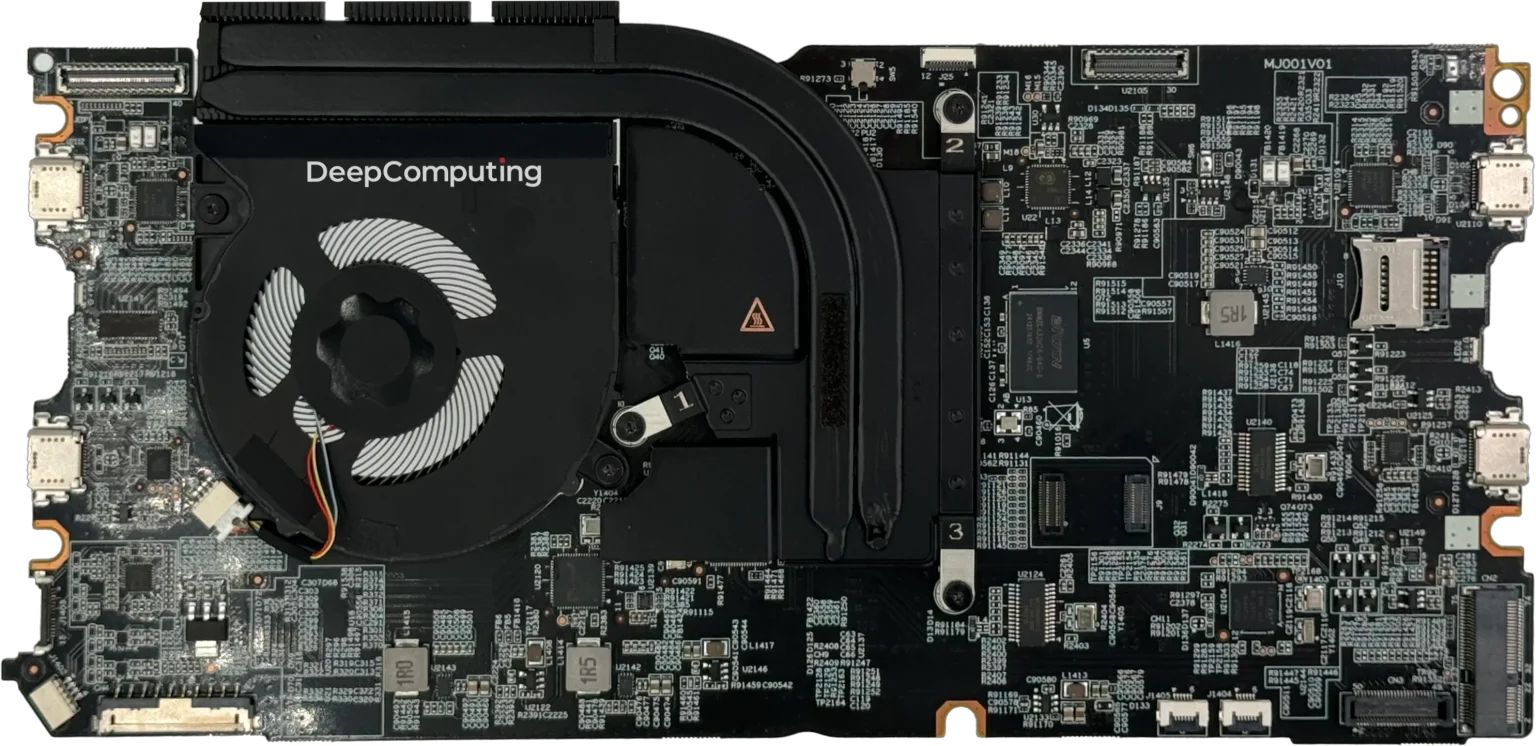
I wouldn’t expect it to benchmark well, but it’s good that they’re making this available so developers can explore RISC-V on a good quality platform.
 35·13 days ago
Why compromise? Use 1-bit IP addresses.
 1·14 days ago
We haven’t tried to colonize anywhere though, and arguments against colonization are still relevant. The advances you mention all happened without attempting to colonize anywhere.
The last Windows that had any MS-DOS in it was Windows ME, a quarter of a century ago. Everything since then has run on the NT kernel.
My favorite Windows drag-and-drop feature is that if ever I drag a file over the left pane of Explorer on its way to another window, the whole thing freezes up for a minute or so. I think it’s polling all the network drives just in case I might decide to drop it there, and since my NAS is turned off (it broke) it just waits until the connection times out. Of course in traditional Microsoft style this locks up the UI thread. I have to remember to drag everything off to the right and then go around.
Naming different things identically is a thing Microsoft loves to do. I still keep opening Teams or Teams instead of Teams. And I think there are at least three things on my PC called Copilot, and they haven’t even released Copilot yet.
But how is that going to bolster the fragile egos of some delusional billionaire techbro narcissists?
I guess they say it each time they’re caught not prioritizing security. Then back to management as usual, prioritizing bullshit new features and marketing over security and bug fixes.

 8·18 days ago
Well this one depends on negative mass, which is, as far as I know, no less weird and speculative than dark matter.

 3·21 days ago
I think the main take on this is to learn the lesson that it is not safe to install random software you come across online. Is this lesson new, though?
I think people often have a vaguely formed assumption that plugins are somehow sandboxed and less dangerous. But that all depends on the software hosting the plugin. There was a recent issue with a KDE theme wiping a user’s files which brought this to light. We can’t assume plugins or themes are any less dangerous than random executables.
Why does it have a picture of Google’s CEO?














Libre Office is also available on Windows.