

31·
12 hours agoThat’s why you can have a Democrat running around hand in hand with Liz Cheney while the corporate media cheers.
Hitler is easy to fixate on as a bad guy because he’s an evil dead foreigner. Cheney is harder
That’s why you can have a Democrat running around hand in hand with Liz Cheney while the corporate media cheers.
Hitler is easy to fixate on as a bad guy because he’s an evil dead foreigner. Cheney is harder
His presidency was more like these prior administrations as well.
Trump is not a unique aberration in American politics. He’s a continuation of a historical trend.
The point here is that Hitler is cleraly the most famous crazy dictator.
He’s the Big Historical National Enemy. The one that we famously ground into humiliating defeat.
it’s looking like this Trump fellow is going to be remember quite a lot as well
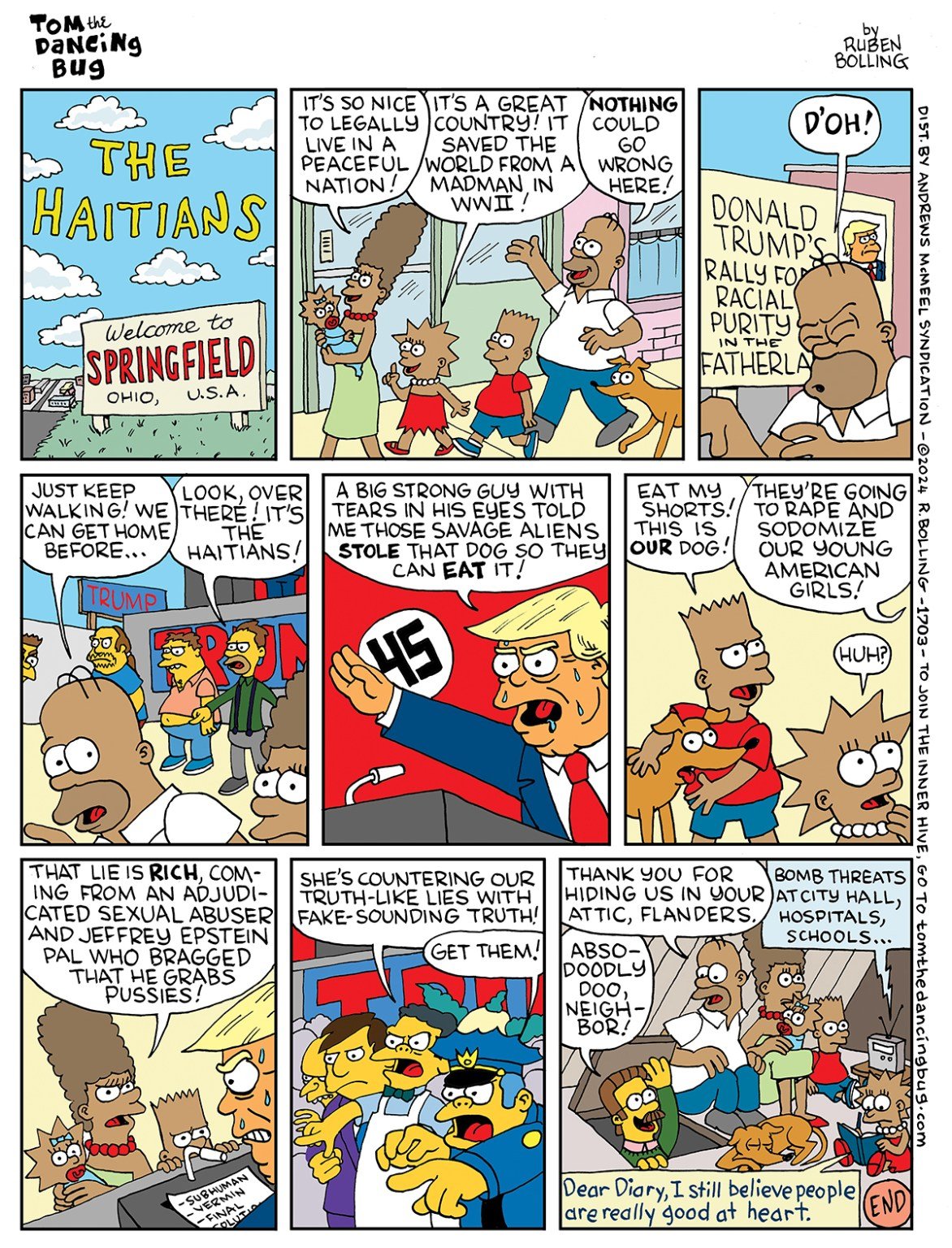
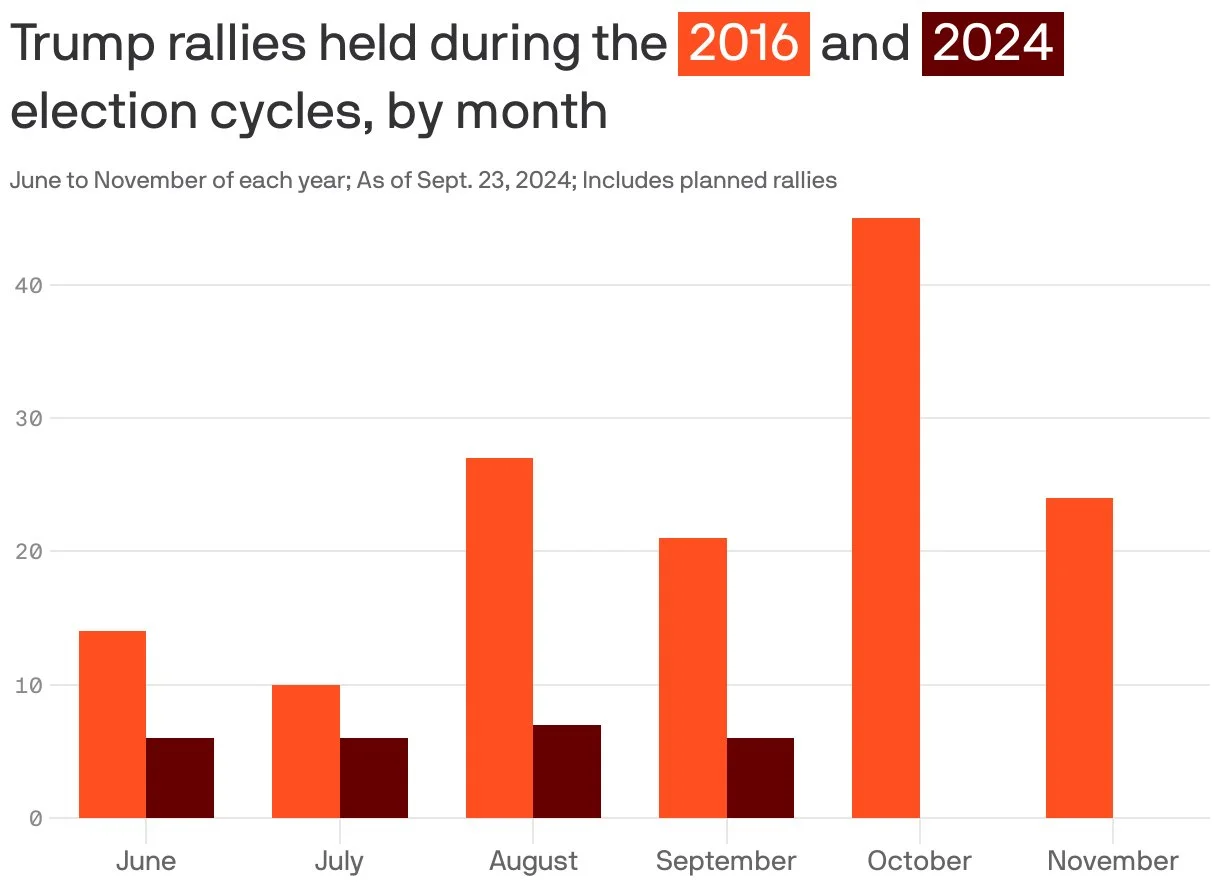
Trump didn’t pattern his campaign after Hitler. He patterned it after Eisenhower, Nixon, and Reagan.
your message comes across as quite anti-semitic, because you went to some deliberate effort to write “Israeli Jew”. Why?
It’s a self-identified religious apartheid state. You say it for the same reason you’d talk about Irish Catholics versus Irish Protestants, or Hinduvistas, or Radical Islamic Terrorists.
The Arabs aren’t the ones bombing Gaza, blockading the ports to induce a famine, and systematically raping captives.
We’ve been watching fascists pile into legislatures from Russia to the UK for decades. It’s cute to make everything about Hitler, but this isn’t an event unique to '33.
You can find historical parallels in the collapse of Yugoslavia and the Irish Troubles, Modi’s rise in India and the Nixon/Reagan reaction to the US civil rights movement, the military coups in Guatemala and El Salvador, the dictatorships of South Korea and South Vietnam…
There’s deeper historical roots to Trumpism than just “America made another oopsie cause we’re dumb-dumbs”
Vladivostok is barely the closest populated Russian area.
Its a major base of operations for the Russian Pacific fleet.
Russia has the technologies and infrastructure for efficient resource extraction under extreme conditions
Now, sure. And France has the technology and infrastructure to extract resources from the Mississippi delta region now. But the Alaska purchase was in 1867. Russians were still trying to secure territory on their own continent during this time. Repeated wars with Japan, the Ottomans, and with domestic insurgencies plagued the country through the 19th century.
And Alaska was already being filibustered by western colonialists as far back as the early 1800s, necessitating a Treaty (the Russo-American Treaty of 1824) to settle an ongoing dispute over territory (The Oregon Boundary Dispute) that Russians had little capacity or real interest in prosecuting. Much like with the Louisiana Purchase, this was a token transfer intended to get some kind of compensation to relinquish a claim the Russians were poised to lose one way or another.
But, it was a media event. It wasn’t “rigged”
You could gamble on it, which means there was money to be made courting suckers.
I’m sure the lion’s share of “rigged” proclamations were coming from folks who got baited into bad bets.

Earth’s surface is 2/3rds water and that’s not changing.
But intense heat means more storms with stronger winds and heavier rain. Imagine a Cat 5 hitting the coast every year.

For the price of the bundle? Sure.
There’s about 60km between modern day Russia and Alaska
There’s over 5000km between Vladivostok and Anchorage. Virtually nobody lives in the interior.
Alaska was seen as nothing but barren piece of cold land
It still is. The mineral wealth is extremely difficult to access due to the weather.
But Russia also has enormous fossil fuel reserves. They just sold off a colony that was more expensive to guard than it was lucrative to exploit.

This but unironically. I’ve got a coworker who took vacation days to help build a temple up in Pennsylvania. He was incredibly proud of his contribution and happy to participate.
The idea that medieval peasants somehow had more free time than the average modern american still is absolute bullshit
Paleontologists will tell you otherwise. One reason you had all those giant cathedrals going up in the Medieval Era stemmed from the enormous excess labor just wasting around in between harvest seasons.
Agricultural surplus creates free time. It’s the whole reason why people opt for farming over hunter gathering.
There’s a staunch libertarian view on Lemmy, wherein people will advocate for personal liberty ahead of technological progress. The Country Mouse has it better than the City Mouse, because he can own a gun and drive a big truck and smoke weed without the neighbors ratting him out to the cops. The lack of basic amenities - subways and school systems and high speed internet and big medical centers - is worth the increased personal autonomy.
The “Serfs had it better” trope takes this to its logical conclusion. Rolling back the technological frontier 500 years is worth it, because the surveillance/police state and the corporate oligopoly even on the fringe of society is seriously that bad.
I don’t agree. But I can’t really argue against it. This is just a personal preference. Its not any kind of objective truth.
The dark cowboy rides again.
If you can buy a ten and one works, you’ve saved money. Two work and you’re making money. The only question is whether the tenth card really will work or not.
I’ve been hearing about the imminent crash for the last two years. New money keeps getting injected into the system. The bubble can’t deflate while both the public and private sector have an unlimited lung capacity to keep puffing into it. FFS, bitcoin is on a tear right now, just because Trump won the election.
This bullshit isn’t going away. Its only going to get forced down our throats harder and harder, until we swallow or choke on it.
My real point is that if they had been more subtle Lincoln would absolutely have let them keep slavery.
Lincoln wouldn’t have enjoyed the majorities necessary to rewrite the Constitution without the Civil War. He’d have been in the same position as Quincy Adams or Filmore, two outspoken abolitionists who lacked the tools to functionally end the practice.
The war, the voluntary dissolution of opposition in Congress, and the massive depopulation that neutered immediate blowback left the door wide open for revolutionary change. And Lincoln - unlike his successor Johnson or even more distant successor Truman - walked through that doorway. That’s what makes Lincoln significant - he was presented with a serious opportunity to affect change and he took it, when less lucky presidents never had the opportunity and less moral presidents never had the conviction.
A lesson the modern South seems to understand well if the last few decades of the Republican party are any example.
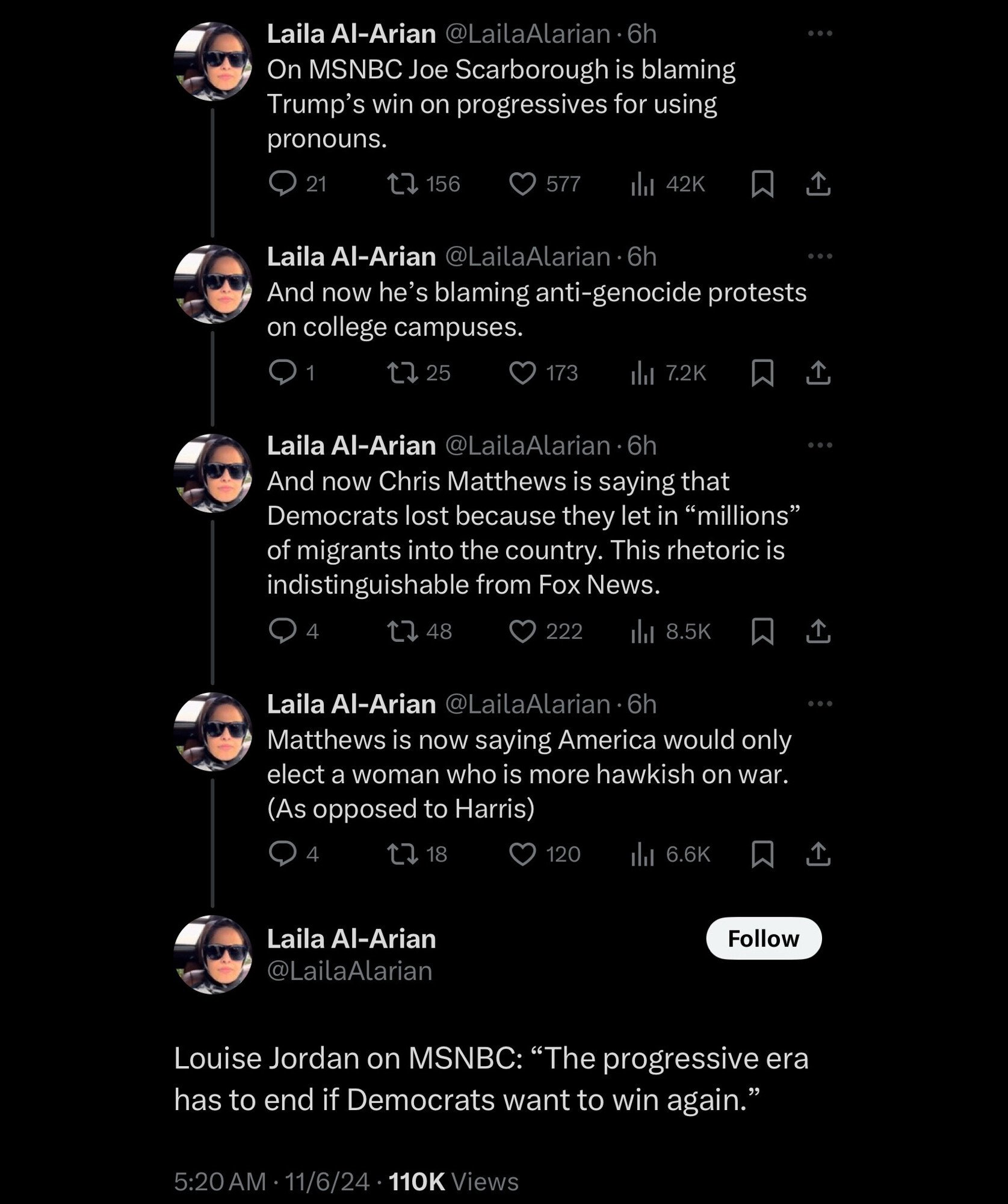
What makes guys like Trump and Bush Jr so horrifying is the fact that they did pounce on their opportunities to affect radical change. The Republican Party is seizing their moment and reinventing the country while the Dems dither, trying to extract as much personal profit from the decaying system.
The modern South is a consequence of bold Republicans capitalizing on a wellspring of white nationalism that’s been bubbling up since the Civil Rights Era, while Democrats seek to apologize for FDR/Kennedy/LBJ and sell off a generation of progressive reform to the highest bidder. When you look at the Dem strategy in states like Texas and Florida, you see this in spades. Candidates falling over themselves to prove they hate student protesters and brown foreigners and union advocates as much as any Republican.
The lesson we’re all learning is that you might as well try to reign in hell, cause heaven is a lost cause.
Or drinking from the same well of propaganda.
The idea that men can be duped by a wall of Murdoch press but women can’t seems dubious.














$100B for generically engineered babies.
Not one penny on education or health care.
And you know none of these kids are getting vaccinated.