
• 0 Posts
  • 51 Comments
Joined 3 months ago
cake
Cake day: October 26th, 2025

help-circle

  • Have you tried a non-tech solution, like putting the drives into some noise absorbing materials, or isolating the sound with the hard case, things like that? That may sound not really obvious, but my guess is that you can at least get some noise off with a solution like this.

    I won’t go with SSDs for a NAS as it’s very expensive. But if money of no concern, that Beelink thing looks impressive.


  • Definitely overkill. Depends on your use case though. I have the same computer that I use for HTPC. It’s running Kodi + Transmission. The OS is Fedora, but I could get away with LibreELEC. It’s just that I had Fedora already and didn’t bother to reinstall.

    What I don’t like about this computer is that it’s very power hungry if compared to a less powerful one. I have a separate Orange Pi Zero and I’m super happy about it. It serves two functions: downloads torrents and shares them via UPnP (with miniDLNA package). So it’s turned on 24/7, while this big computer is on only when I want to play something.

    Immich, I don’t know. I’m yet to discover how it works. I think maybe I’d turn it on when I need it, so that may be an option. This potential computer of yours, if you could turn it on via Wake on LAN, that could help tremendously, if you care about power consumption. Most of the computers I saw have this feature in their bios.

    If you don’t care about power consumption, I think that’s a decent computer. It can run everything, or almost everything no problem. I think you can run a lot of services with it.

    All the computers in my infra are super cheap used devices, the first one was hands me down computer some people wanted to throw away, so they asked me to utilise, if I could. I took it, and only later I realised it can be utilised this way. That computer is mostly off, as it’s even more power hungry.

    To learn, you can restore literally any computer. To run something long-run, best is N100 or similar mini computers. They are cheap, run cold, some have no active coolers (so, silent), and sip power. That’s what I plan to implement to my home, once I’d settle on what I need.


  • That sounds too loud, what’s the actual meaning behind what they’re saying? To me, that looks like maybe they hired too many people assuming their business would only grow. That’s the delusion some Silicon Valley folks have, with the sort of VC culture. Perhaps they shouldn’t grow in employees (why are there employees in the first place?) and try to be sustainable instead. The whole project looks so flashy, but does it even need to grow?

    And, forgot to add: what is 75% of employees? Were they tens? Were they a hundred? (Sounds absurd to me, but who knows.)

    Edit: according to this HN comment, they fired 3 developers out of 4.

    On a personal note, I’m not a fan. I used it in a couple of projects, and wasn’t sold on the idea of never ever learning CSS and make your classes not semantic at all. However, I think there might be cases where this approach makes sense. I just haven’t found it so far.


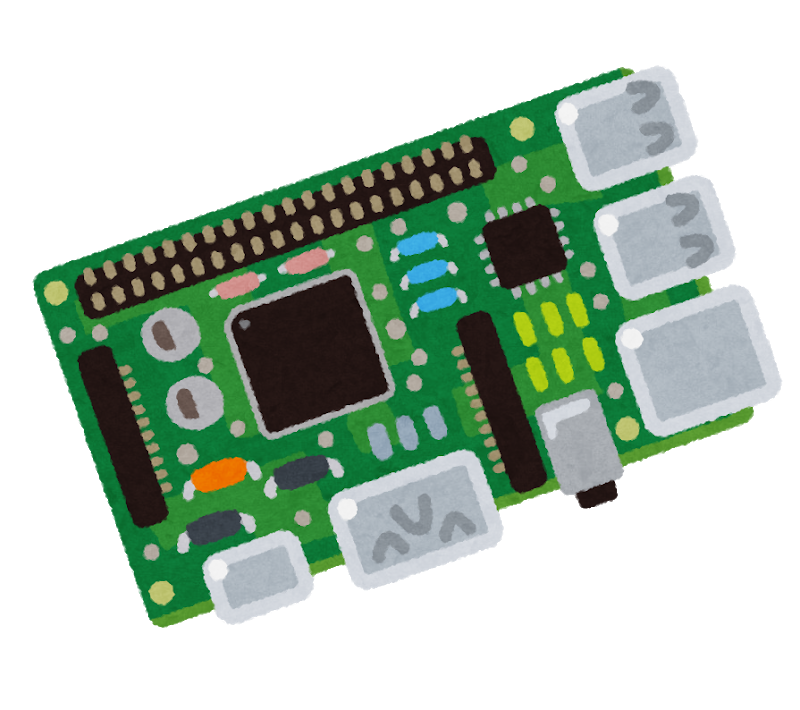
  • Actually, modern Linux software not that much power hungry. In my opinion this computer is very valuable for the 24/7 use case. I have a laptop with broken screen, could be a decent server, but it looks like with the essential services that I have, Raspberry Pi is just ample. That’s not for everyone, I have a friend who needs much more, but this computer can run at least some basics. To me that’s (as I’ve mentioned the names already) network wide ad block, syncing my files, having some simple web services. I’m thinking of hosting Immich, I’d just dedicate a more powerful computer to that. Which I plan to turn off and on (perhaps even via Wake-on-LAN) when needed. Not that convenient, but manageable. So, I’d recommend to start with the services you think of essentials and see what it can handle.


  • It’s not super powerful. There’s no much sense to run a desktop on it. Its strong side being underpowered, it barely sips electricity. If you need a cheap desktop, there’s plenty of used hardware to fill that place.

    I run it headless, with an SSD attached for storage (perhaps my power supply was underpowered, the HDD wasn’t very stable, the SSD is stable for me). I’m running: syncthing, Pi-Hole and Unbound, web server with many small sites and services I made for myself, and a huge number of bash scripts for personal automations. They do render my static websites, the local versions. Also it runs Tailscale. Perhaps I have something else there, need to check, those came to my head first.

    Overall, not that you can run everything under the sun with this board, but it’s quite capable, actually. I love it that it’s the most energy efficient (or one of the most) among Raspberry Pis, and it can do a lot. Another board worked with a TV having Kodi box (I installed LibreELEC for it), it was pretty capable too. It is able to play 1080P H264 content easily. It’s not that impressive these days, but ten years ago it was pretty impressive.
